A guide for interior designers, architects, and discerning clients on selecting a piano that is as technically appropriate as it is visually exceptional.
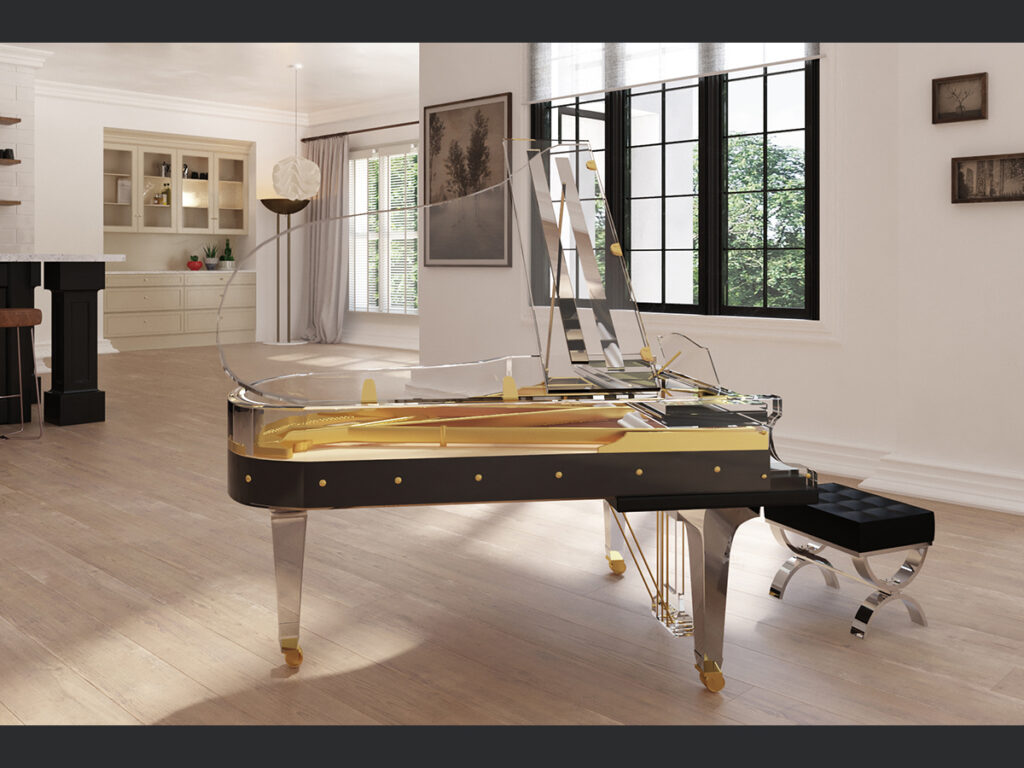
A statement piano should do more than fit the room. It should elevate it.
In a luxury interior, the right piano becomes part of the architecture of the space. It can anchor a room, shape the flow, introduce sculptural beauty, and create a lasting sense of refinement. But specifying a piano well requires more than choosing a finish or style. Size, weight, placement, acoustics, climate conditions, and installation logistics all matter.
For designers, architects, and discerning homeowners, the best results come when the piano is considered early in the project, not added at the end.
Design-Led. Technically Informed.
At Luxe Pianos, we help clients and design professionals specify extraordinary instruments for exceptional spaces — from restored vintage grands to bespoke designer pianos.
Begin with the Room
A piano may be selected for its visual impact, but the room should guide the specification.
Before choosing the instrument, consider room dimensions, traffic flow, intended use, natural light exposure, floor conditions, and installation access.
A grand piano needs more than floor space alone. Bench clearance, circulation around the instrument, lid position, and sightlines all affect how naturally it lives in the room. A piano that technically fits may still feel oversized, crowded, or visually disconnected from the design.
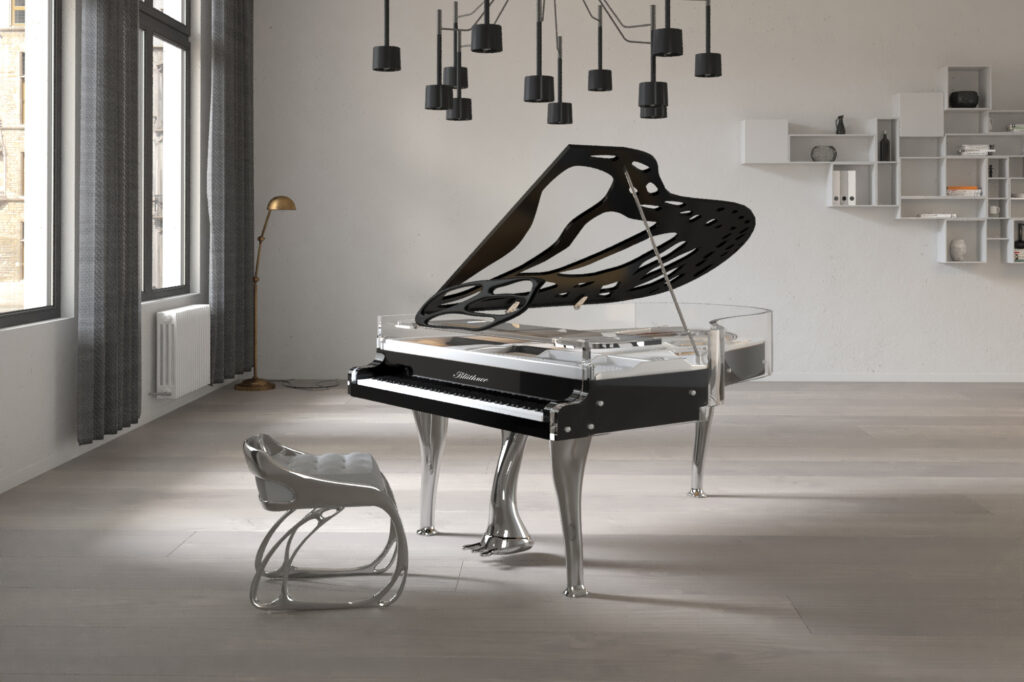
Size and Scale Matter
Grand pianos vary significantly in both size and weight, and those differences affect more than appearance.
Scale influences how the piano feels in the room. A smaller grand may suit an intimate residential setting, while a larger instrument can create a more commanding architectural presence. Weight also matters, especially in upper-floor installations, historic properties, condominiums, or projects with specialty construction.
This is why piano specification should include not only aesthetic selection, but practical review of placement, structure, and delivery conditions.
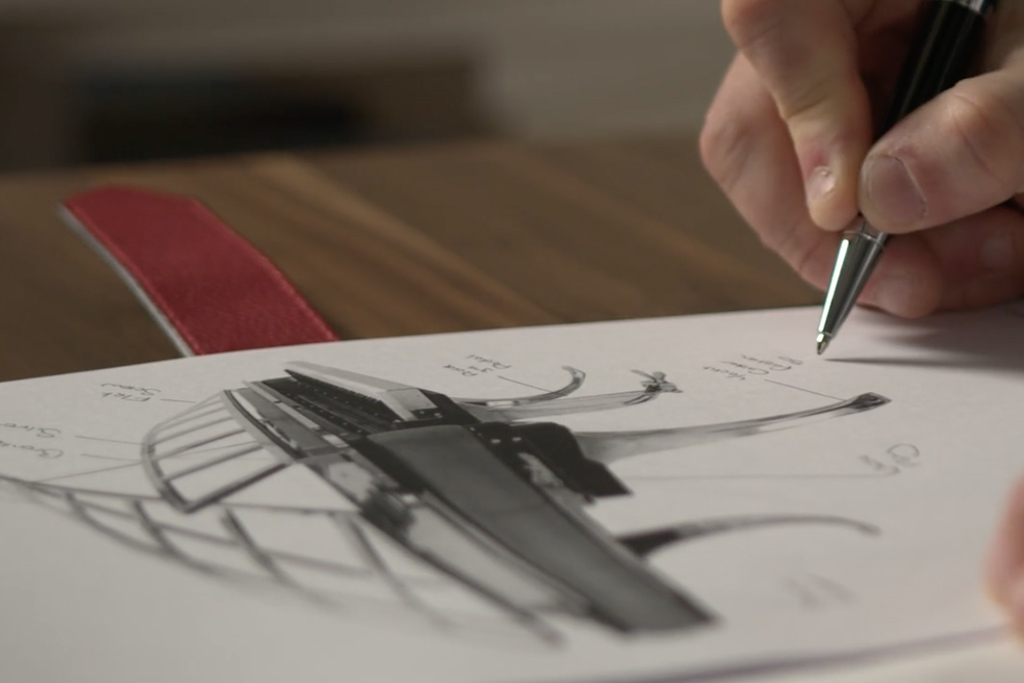
Why This Matters
A piano is not simply decorative. It is a substantial musical instrument that affects layout, movement, structure, and long-term usability.
Placement Is Both Visual and Technical
The most successful piano placement balances beauty with preservation.
A piano should be positioned to enhance the room’s composition, but also protected from direct sunlight, HVAC airflow, and unstable humidity. Environmental consistency is essential to maintaining tuning stability, finish integrity, and long-term structural health.
The ideal placement is not always the most obvious one. A dramatic location may photograph beautifully, yet prove less suitable for the instrument over time.
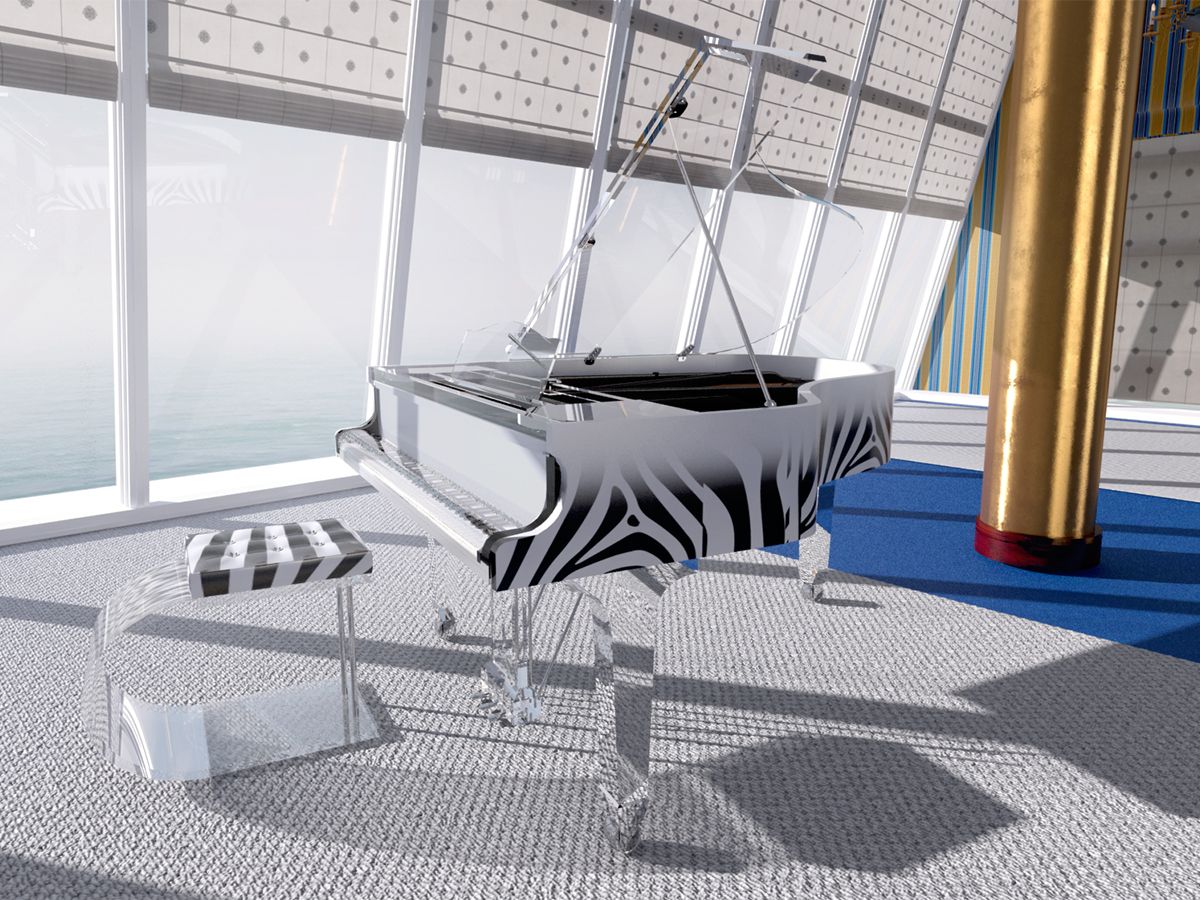
Think Beyond Footprint
A statement piano changes how a room functions.
When specifying placement, consider how the instrument will be experienced from the primary entry point, how people will move around it, and how it relates to surrounding furnishings and architecture. A piano should feel intentional within the room, not inserted after the fact.
It should also reflect the purpose of the project. In some interiors, the piano is meant for daily playing and entertaining. In others, it serves as both a fine musical instrument and a sculptural focal point.
Acoustics Should Not Be Overlooked
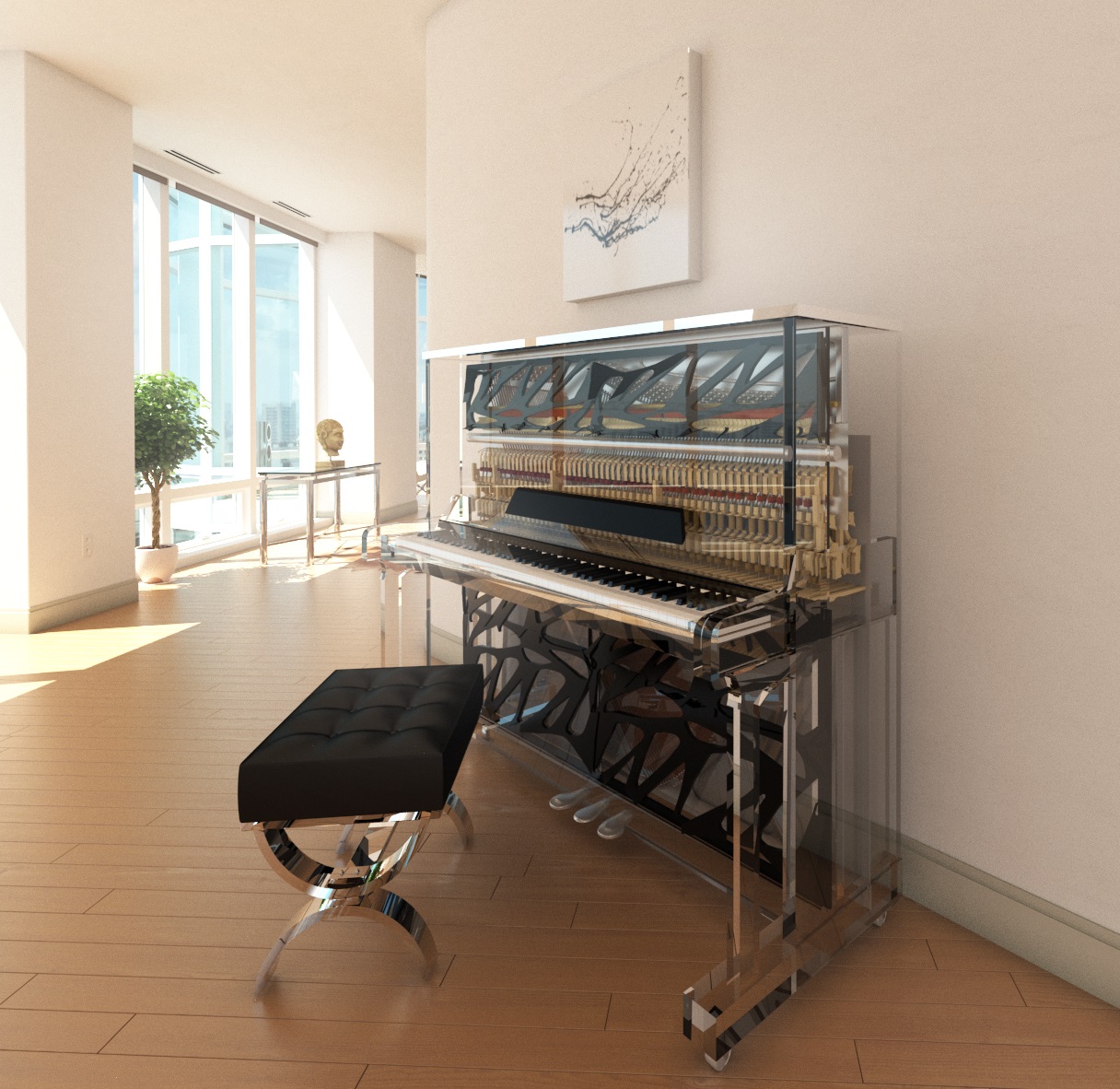
Even the most beautiful piano benefits from a well-considered acoustic environment.
Hard surfaces, glass, stone, and minimal soft furnishings can create excessive brightness or reflection. Rugs, upholstery, drapery, and thoughtful room planning can help create a more balanced and inviting sound.
This is especially important in luxury interiors, where clean architectural lines and reflective finishes are often central to the design language.
Choose the Right Kind of Statement
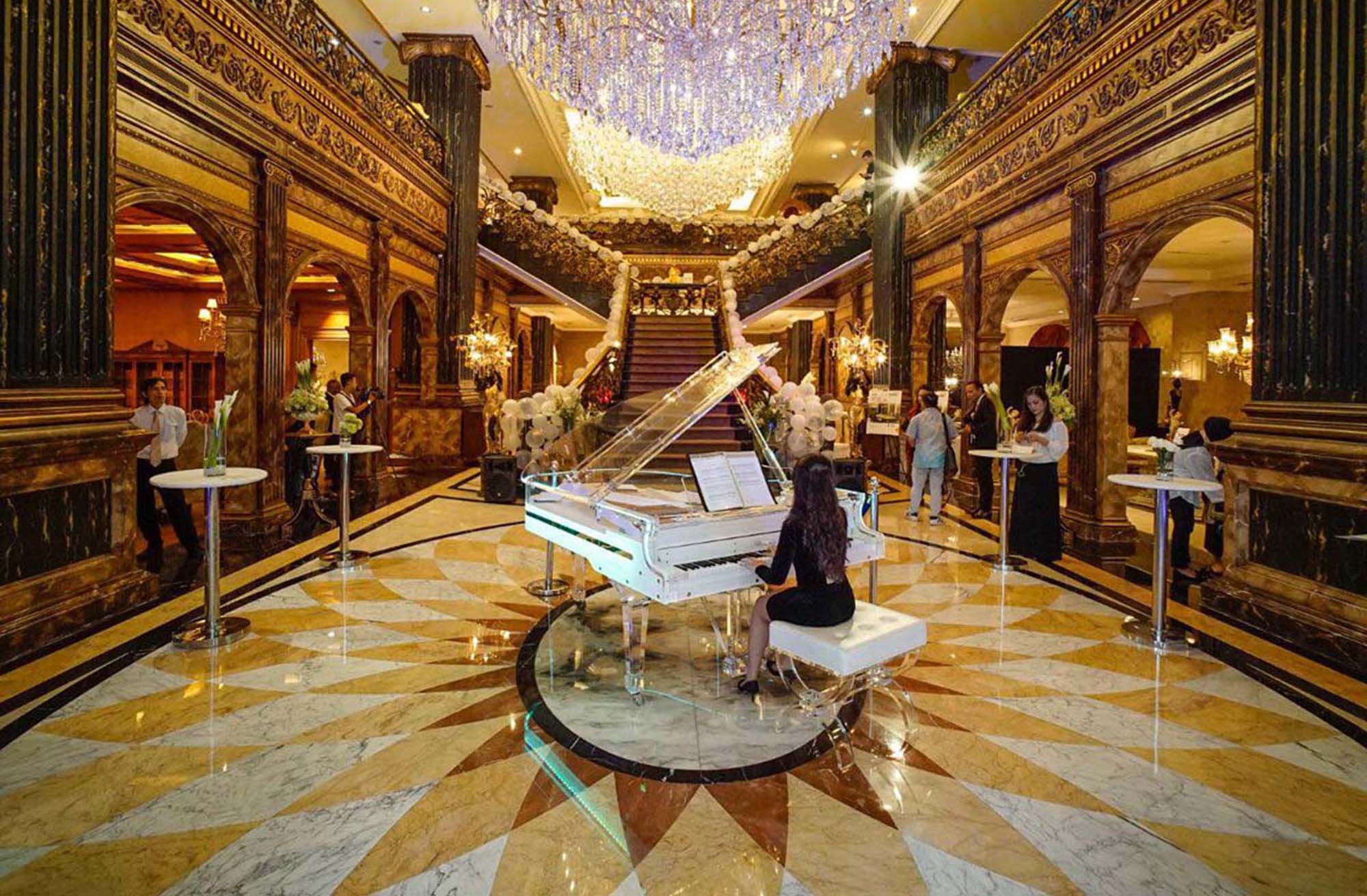
Not every statement piano expresses the same point of view.
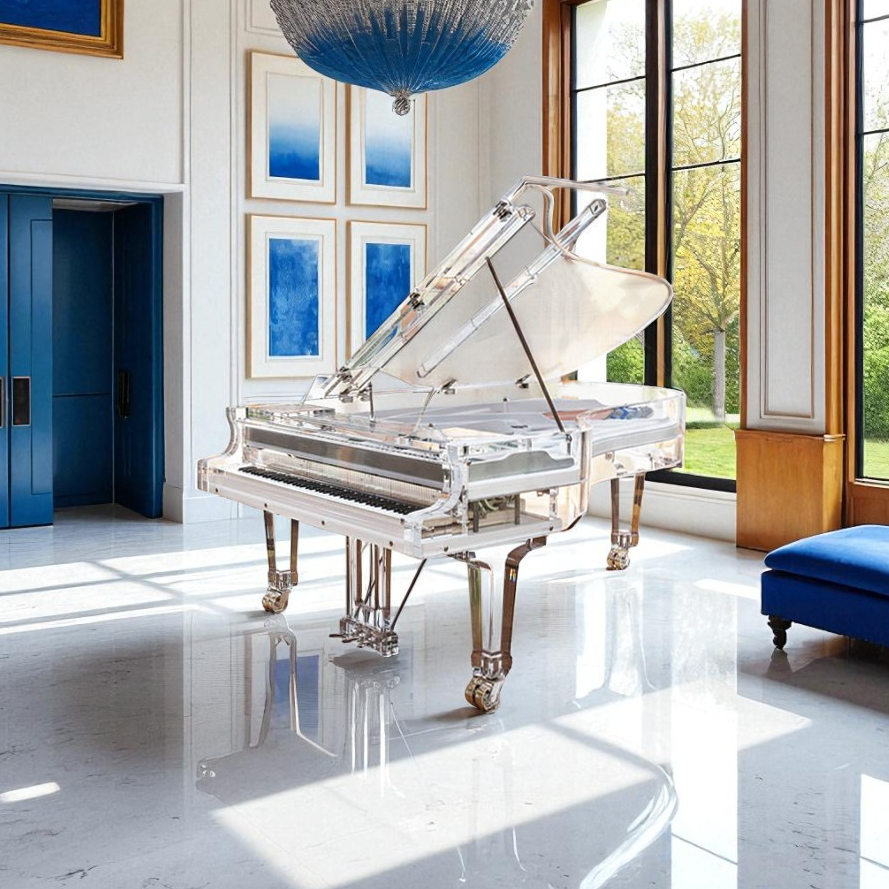
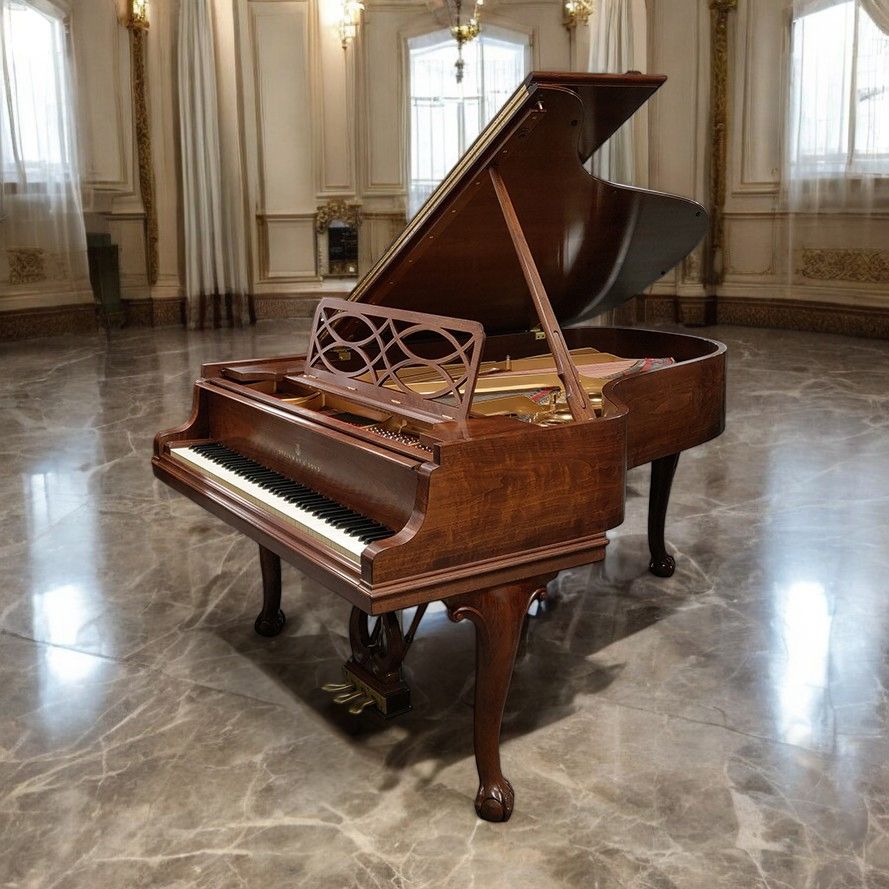
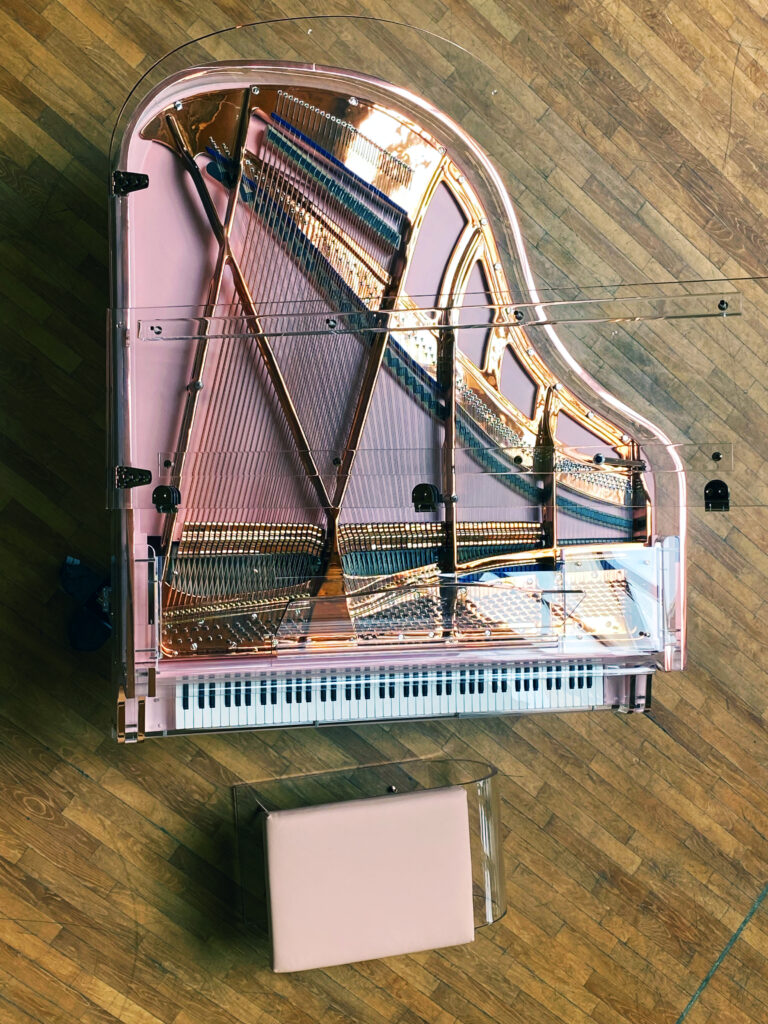
A traditional veneer grand conveys warmth, heritage, and timeless elegance. A restored vintage instrument introduces character, history, and craftsmanship. A bespoke crystal or designer piano offers a more sculptural, contemporary presence.
The right choice depends on the architecture, the client, and the atmosphere the project is meant to create.
Why Early Collaboration Matters
The best results happen when the piano is part of the design conversation from the beginning.
Early planning allows the team to coordinate dimensions and clearances, finish direction, floor conditions, delivery path, environmental considerations, and visual integration within the room.
When handled thoughtfully, a statement piano becomes more than a furnishing. It becomes one of the defining elements of the interior.
Planning a luxury interior project?
We work with interior designers, architects, and private clients to help specify extraordinary instruments for exceptional spaces. From traditional veneer and restored vintage grands to bespoke designer pianos, Luxe Pianos offers guidance that is both aesthetic and practical.
We can provide dimensions, visual direction, and collaborative support to help ensure the piano is right for both the project and the client.
Frequently Asked Questions
What should designers consider when specifying a piano?
Designers should consider scale, room flow, floor conditions, climate stability, acoustics, installation access, and the visual role the piano will play in the room.
Can a piano be customized for a specific project?
Yes. Depending on the instrument and manufacturer, customization may include finish direction, design details, and broader bespoke collaboration.
Is a statement piano only for large rooms?
No. The key is not simply room size, but proportion, placement, and how the instrument relates to the architecture and furnishings.
Can Luxe Pianos help with dimensions and planning?
Yes. Luxe Pianos can assist with dimensions, visual guidance, and design collaboration to support the specification process.